
Crafting a robust marketing strategy is the cornerstone of achieving your business goals.
Think of it like plotting your Google map before a long journey. Without a clear destination or route, how do you know where you’re headed?
And if you veer off course, how do you find your way back?
This guide will teach you how to write a marketing strategy that is actionable and effective, covering everything from defining your mission to executing and optimising your efforts.
What is a Marketing Strategy?
A marketing strategy is a comprehensive plan that outlines how your business will achieve its goals through specific marketing efforts.
It determines your target market, sets clear objectives, and defines the marketing channels and tactics you’ll use to connect with your audience.
A strong marketing strategy covers everything from your company’s value proposition and buyer personas to your marketing mix and performance metrics.
It aligns with your overall business objectives, ensuring that every marketing campaign supports sustainable competitive advantage and customer engagement.
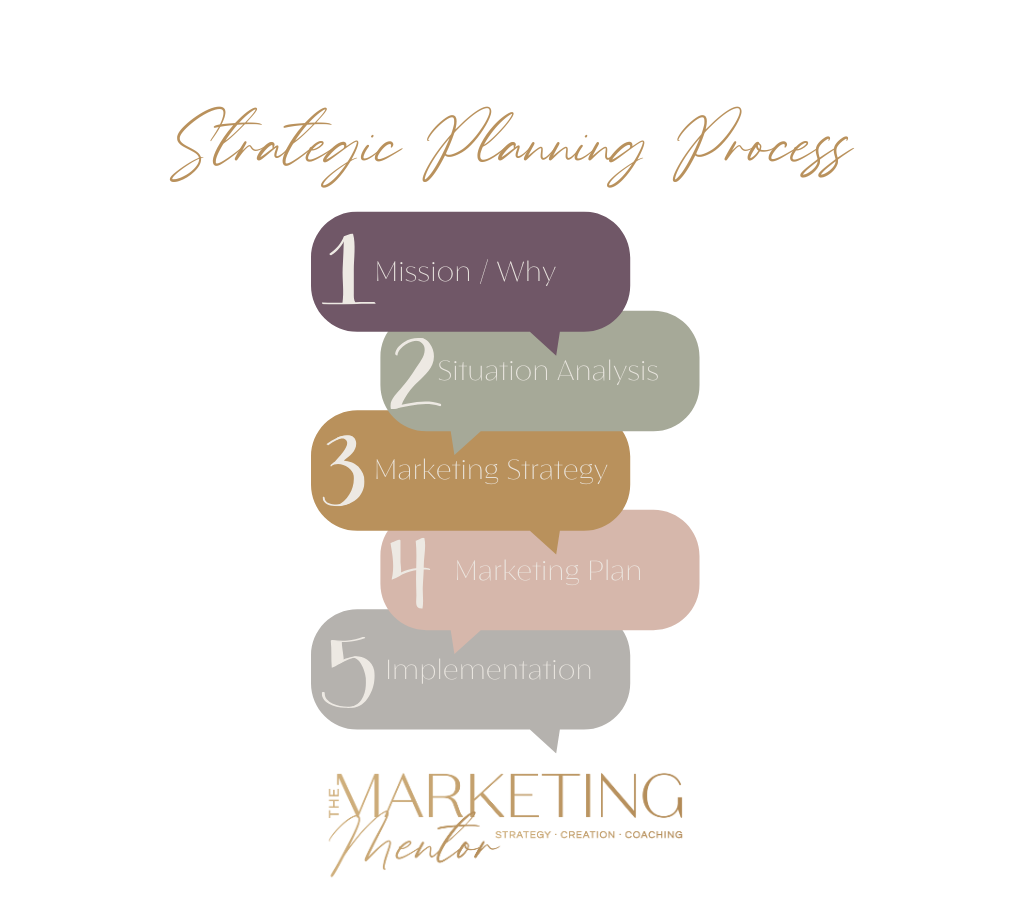
How to Write a Marketing Strategy
Follow these five steps to craft a clear and actionable marketing strategy:
-
Define Your Mission
Your mission is your marketing compass. Start with your “why” – the driving purpose behind your business. Then, assess past performance metrics and set future marketing goals that are specific, measurable, achievable, relevant, and time-bound (SMART).Examples of Mission Statements / “Why’s”:
-
Google: “To organise the world’s information and make it universally accessible and useful.”
-
Tesla: “To accelerate the world’s transition to sustainable energy.”
-
IKEA: “To create a better everyday life for the many people.”
A clear mission as to your “Why” aligns your marketing strategy with your business objectives and inspires both your team and your target customers.
-
-
Conduct Market Research
Understanding marketplace dynamics is essential for crafting an effective marketing strategy. This involves analysing economic trends, consumer behaviour, and competitor activity.Steps to Conduct Market Research:
-
Identify Your Competitors: Go beyond obvious competitors by considering the broader consumer perspective.
-
Perform a Competitive Analysis: Use tools like Venn diagrams to map competitors based on factors like price, quality, and speed.
-
Explore Audience Insights: Use resources like the Australian Bureau of Statistics, Roy Morgan, and digital tools to build detailed buyer personas.
-
-
Build a Target Audience Profile
Your target audience is the heart of your marketing efforts. By understanding their needs, preferences, and challenges, you can craft messaging that truly resonates. Make sure you spend the most time here, researching everything you can find on themHow to Build a Target Audience Profile:
-
Segment your audience by demographics, psychographics, and behaviour.
-
Develop pen profiles that describe your ideal customer’s lifestyle and values.
-
Identify the media they consume to tailor your marketing channels.
-
Use research to back up your hypothesis. Look at Australian Bureau of Statistics website to size your audience. Is there enough of them to achieve your goals?
-
-
Create an Effective Marketing Mix
The marketing mix – often referred to as the 5Ps (Product, Price, Place, Promotion, People) – is the foundation of your strategy. Adjust each element to ensure it meets the expectations of your target market.Tips for an Optimised Marketing Mix:
-
Product: Ensure your offering solves a real problem for your audience.
-
Price: Position your pricing competitively while reflecting your value proposition.
-
Place: Choose distribution channels that align with your customer’s preferences.
-
Promotion: Develop a mix of owned, earned, and paid channels to reach prospective consumers.
-
People: Ensure your team is well-trained, customer-focused, and aligned with your brand values. Foster a culture of empathy and responsiveness to create memorable customer experiences that drive loyalty.
-
-
Set Marketing Goals and Key Performance Indicators (KPIs)
Define clear marketing objectives that align with your business goals. Then break these down into measurable KPIs, such as increasing website traffic by 20% or generating 50 new leads per month.
Marketing Strategies in Action
An effective marketing strategy combines creative storytelling with data-driven insights. For example:
-
Dove’s Real Beauty Campaign: Focused on inclusivity, this campaign resonated with its audience by addressing societal values.
-
McDonald’s “I’m Lovin’ It”: Leveraged consistent global messaging to build a strong brand identity.
Draw inspiration from these campaigns, but remember to tailor your strategy to your unique audience and objectives.
Marketing Efforts: Execution and Optimisation
With a clear strategy in place, the next step is to execute your marketing plan effectively. This involves:
-
Owned Media: Utilise email marketing, social media platforms, and content marketing to engage existing customers.
-
Earned Media: Build trust through PR, customer reviews, and user-generated content.
-
Paid Media: Invest in digital marketing channels like search engine marketing, display advertising, and paid social media campaigns.
Regularly measure success using analytics tools and adjust your tactics based on performance insights. Embrace transparency in your reporting, celebrating successes and learning from setbacks.
Why a Clear Marketing Strategy Is Important
A well-defined strategy:
-
Aligns marketing initiatives with business goals.
-
Ensures efficient allocation of the marketing budget.
-
Helps your team focus on key marketing activities.
-
Builds a sustainable competitive advantage by connecting with the right audience.
By following these steps, you can create a robust marketing strategy that drives business success.
Download my free marketing plan template or reach out to kickstart your journey today!